St. Augustine is built for escaping the everyday — cobblestone streets, salt air, and four centuries of history around every corner. But some of the best escapes here don’t happen downtown at all. Head a few miles past the old city gates and Northeast Florida opens into pine flatwoods and oak hammocks that draw bowhunters every fall. If your idea of getting away runs quieter than a walking tour, and you’re thinking about taking up archery, one small piece of gear matters more than almost any other: the broadhead.
Fixed-Blade or Mechanical?
Broadheads come in two broad families. Fixed-blade heads have no moving parts, which makes them tough, reliable, and forgiving of hard use — a favorite of traditional and lower-poundage shooters. Mechanical heads keep their blades tucked until impact, then open for a wider cut; they fly a little more like your field points but ask more of your equipment. For someone starting out, a quality fixed blade is the simplest and most dependable place to begin.
What Actually Makes a Good Broadhead
Four things separate a head you can trust from one you can’t. It has to fly true, landing where your practice points do out to your effective range. It has to be genuinely sharp, because a clean edge does the work humanely and efficiently. It needs to penetrate, which comes down to a strong ferrule and a smart blade angle. And it has to hold up shot after shot without bending or loosening. Get those right and the rest is practice.

Watch: Wasp SharpShooter Traditional Broadhead Review — Lancaster Archery (YouTube)
Why Traditional Heads Still Win Fans
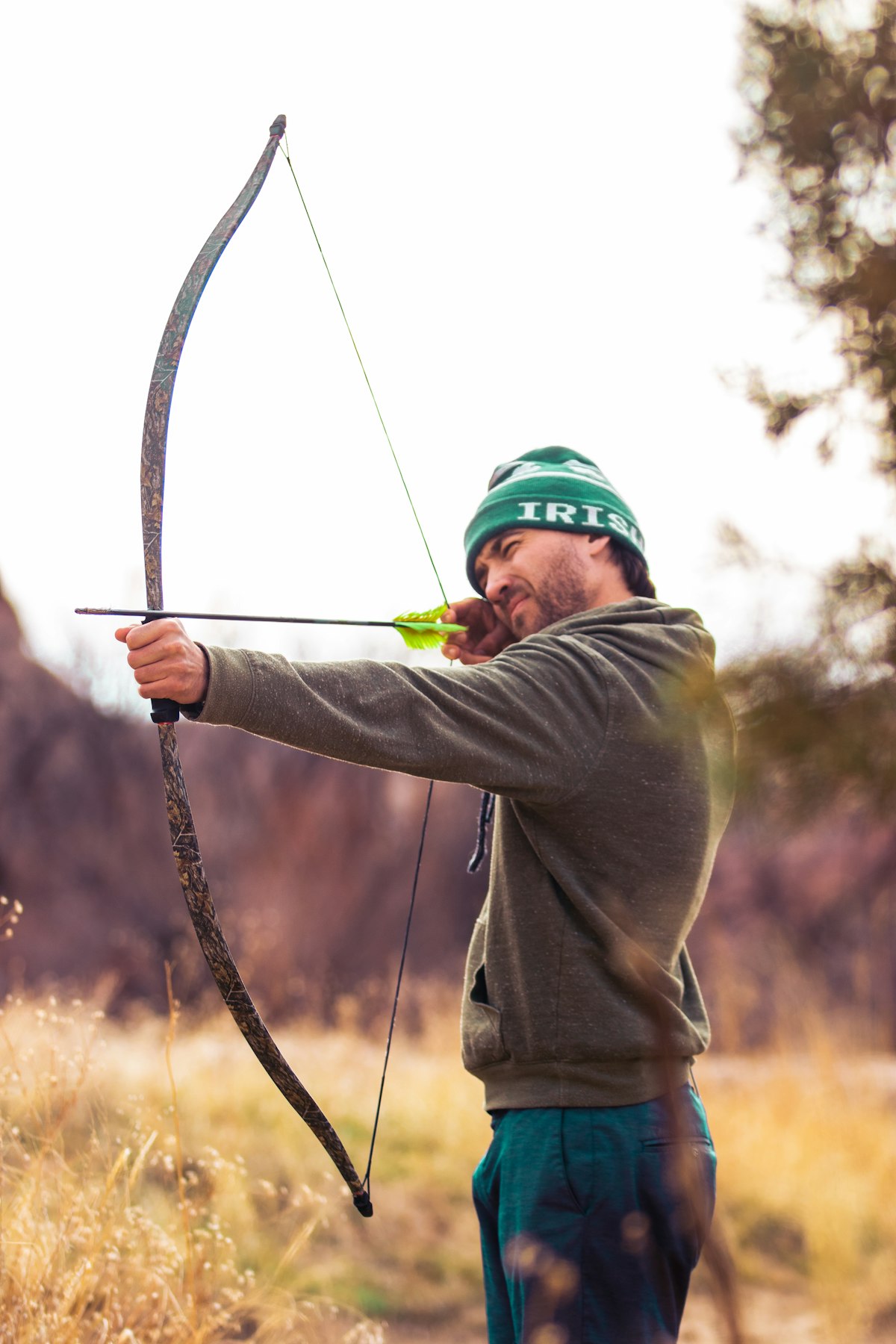
Plenty of modern hunters keep coming back to simple, cut-on-contact designs for exactly those reasons. A well-made traditional head like the wasp sharpshooter broadheads family is built around durability and penetration rather than gadgetry, which is why it has earned a loyal following among people who value gear that just works. If you shoot a recurve, a longbow, or simply prefer fewer moving parts, it belongs on your short list.
Dialing It In Before Opening Day
Whatever you choose, shoot it before you hunt with it. Broadheads can plane differently than field points, so spend a few sessions confirming your groups and, if needed, tuning your rest and its position. Keep the edges fresh, check that everything is tight, and pack a spare or two. Do that homework and, when the season opens, you can trade the crowded historic district for a quiet morning in the trees — the kind of escape St. Augustine does best.